Los Angeles Travel Guide: Hollywood, Griffith Observatory & Culture
· By GoldenPath Guide Editorial Team
Los Angeles stretches across roughly 500 square miles, and that scale is part of its personality. This is the entertainment capital of the world — a sprawling city of studios, beaches, hills and neighborhoods, each with a character of its own. The trick to enjoying L.A. is to pick a few areas and give each a proper block of time rather than trying to rush across the grid. On a clear evening the hills along the edges of the city turn amber, and the light has that warm, dry weight that makes everything feel a little slower.
Downtown & the Historic Core
Downtown is the city’s oldest quarter, and the Los Angeles Conservancy runs walking tours that bring it to life. Highlights include the Bradbury Building, with its famous wrought-iron atrium and open elevator cages, and Angels Flight, the short funicular railway that carries riders up Bunker Hill — a landmark well known from film and television, including its recurring role on Bosch. Both are quick but essential stops for anyone curious about how the city grew.
Dodger Stadium & Elysian Park
Tucked into the Elysian Park hills above downtown, Dodger Stadium is the third-oldest ballpark in the major leagues and one of the most scenic in the country. Tours take you behind the scenes, including the Vin Scully Press Box named for the legendary broadcaster. The surrounding park has gentle trails that reward you with skyline views, and a game at the stadium is one of the most affordable big-city experiences L.A. offers — especially on a warm night.
Griffith Observatory
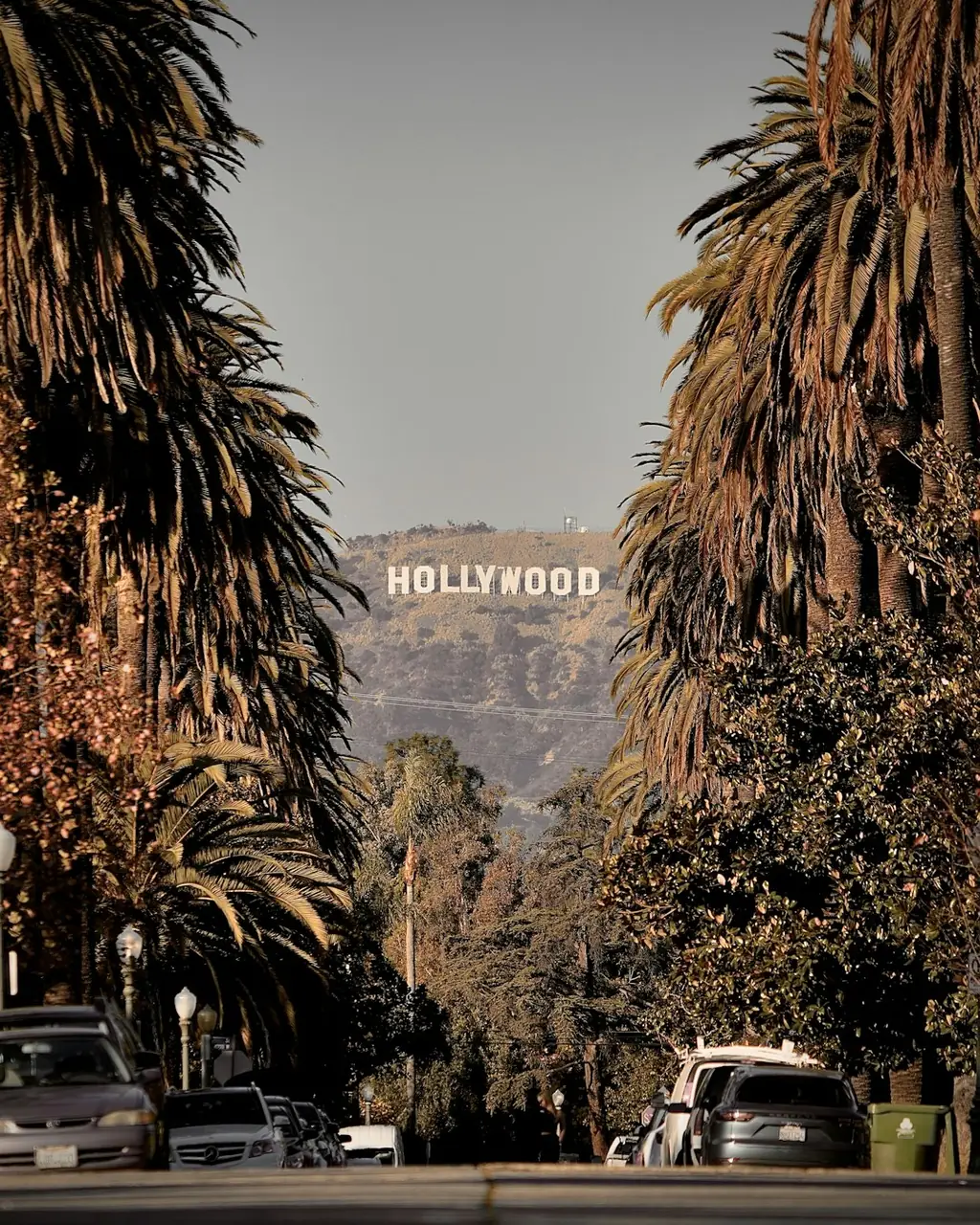
Perched high on Mount Hollywood, the Griffith Observatory offers free viewing through its famous telescopes, sweeping views of the city basin and the Hollywood Sign, and some of the best night-sky stargazing in a major city. Come at sunset to watch the lights flicker on across the whole sprawl below, then linger as the sky darkens and the telescopes come out. Up here the city hum fades to a murmur, and the evening wind is cool against the stone walls.
Universal Studios Hollywood
For a full day of entertainment, Universal Studios Hollywood pairs the famous World Famous Studio Tour — a backlot ride past real sets and soundstages — with the Wizarding World of Harry Potter and the newer, immersive SUPER NINTENDO WORLD. It is the classic first-timer’s pick and worth planning around crowd levels, since the most popular rides can have long lines.
After Dark & Comedy
The L.A. Live complex comes alive after dark, with the Grammy Museum, live venues and the Conga Room among its draws. For a distinctly Los Angeles night out, catch a show at The Groundlings on Melrose, the beloved improv theatre whose alumni include Will Ferrell, Lisa Kudrow and Melissa McCarthy. The room is small and the stakes are high, which is exactly what makes it such a fun evening.
Hollywood & Beyond
No trip to L.A. is complete without at least glimpsing the Sunset Strip and the Hollywood Sign, and a drive up into the hills is worth the winding roads. From the city it is a short trip to the sand and boardwalk of nearby Santa Monica. The whole region is a patchwork of distinct towns, so don’t be afraid to build your day around just one or two of them.
Best Time to Visit & Getting Around
L.A. has a mild climate with endless blue skies, though it makes most sense to visit in spring and fall, when the weather is pleasant and the summer crowds and heat have eased. Because the city is so spread out, a rental car or rideshare is the most practical way to see it, with the Sunset Strip, the Hollywood Sign and nearby Santa Monica all within reach.
But don't force yourself to cover everything. With 500 square miles to explore, the best approach is to base yourself in one region at a time — downtown one day, the museums and hills the next, the coast on the third. You'll see more, relax more, and enjoy the city far more than if you try to cram it all into a single meandering loop. And there is always a corner of L.A. where the traffic fades, the patio shade is deep, and the sun goes down slow.