California's Nature & Parks
California packs nine national parks — more than any other state — plus a chain of deserts, alpine lakes and offshore islands. This hub links ten full nature guides, from granite valleys to salt flats to 300-foot redwoods. Use it to match a park to the season: deserts shine October–April, the Sierra opens June–September, and the redwood coast stays green year-round. Entrance fees run $30–$35 per vehicle at the big parks (good for 7 days), and an $80 annual pass pays off on a third visit. Summer weekends demand reservations at Yosemite and timed entries at Muir Woods; winter means chain controls over mountain passes. Pick the landscape first, then let the linked guide handle trails, drives and lodging.
Guides in this section
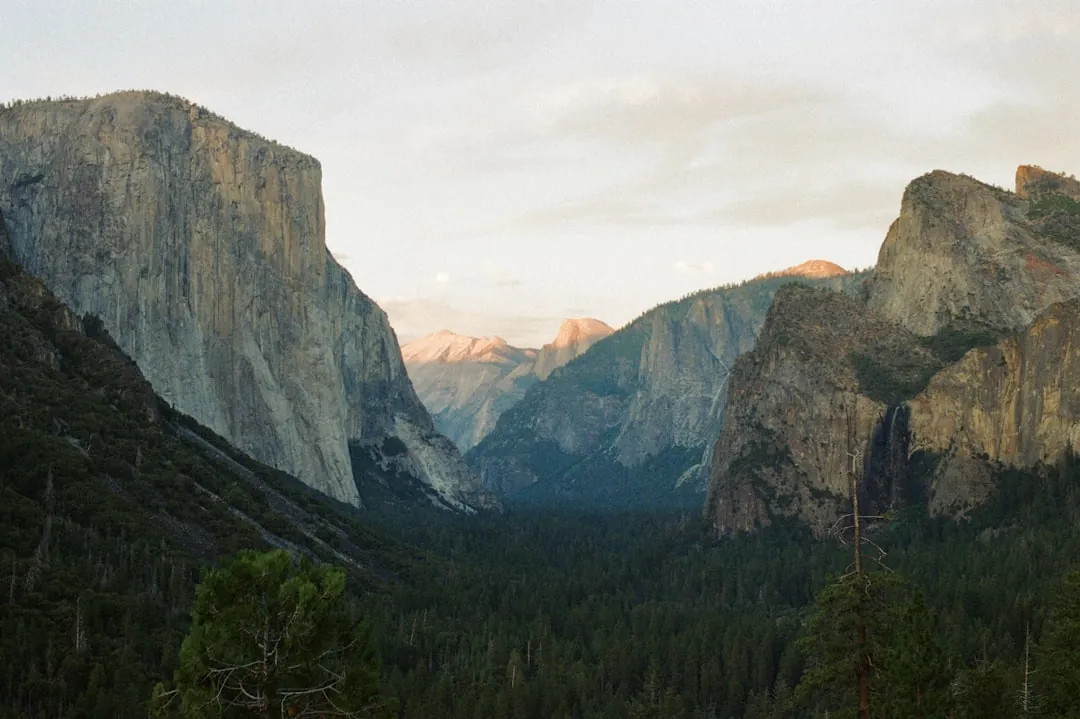
Yosemite
Granite walls rise 3,000 feet above a river valley, with waterfalls peaking in late May and the Mist Trail's 1.6-mile climb to Vernal Fall footbridge as the classic first hike. The $35 vehicle fee covers 7 days, and peak-season day-use reservations book out weeks ahead. Campgrounds release 5 months out at 7am Pacific. Tip: enter before 8am or ride the free valley shuttle to skip midday parking jams.
Redwood National & State Parks
Coast redwoods top 370 feet, the tallest living things on Earth, in groves 5–6 hours north of San Francisco. Tall Trees Grove needs a free permit; Fern Canyon's 50-foot walls require a short wade. Summer fog keeps the forest damp and cool while inland valleys bake. Tip: pair the Newton B. Drury Scenic Parkway with Gold Bluffs Beach at low tide.
Sequoia & Kings Canyon
General Sherman stands 275 feet tall with a 36-foot trunk diameter — the largest tree on Earth by volume — beside 14,000-foot Sierra peaks. The Generals Highway climbs 5,000 feet in 30 twisting miles, so allow an hour each way. Snow lingers into May; chains are required November–April. Tip: descend into Kings Canyon's floor for waterfalls without the Valley crowds.
Death Valley
Badwater Basin sits 282 feet below sea level, the lowest point in North America, under summer highs past 120°F (49°C). Visit October–April, when daytime temperatures run 65–85°F and night skies earn dark-sky status. Furnace Creek lodging books out for spring wildflower season. Tip: carry a gallon of water per person and fuel up — stations inside the park charge steep premiums.
Joshua Tree
Two deserts meet among monzogranite boulders and spiky namesake trees, 45 minutes from Palm Springs. The 4.5-mile Ryan Mountain trail gives the best sunrise view; Keys View overlooks the Coachella Valley from 5,185 feet. Campgrounds fill October–April. Tip: enter by 9am on weekends or use the quieter south entrance near Cottonwood.
Channel Islands
Five roadless islands 1–2 hours by ferry from Ventura, home to endemic island foxes found nowhere else. Day trips run $60–$100 round trip; Santa Cruz Island's Potato Harbor hike covers 5 miles of sea cliffs. No services exist ashore, so pack food and water. Tip: spring crossings bring gray whales and wildflower hillsides in one trip.
Lake Tahoe
An alpine lake 6,225 feet up with water clear past 60 feet deep, ringed by 300-plus inches of annual snowfall at the resorts. Summer brings the 165-mile Tahoe Rim Trail and $20–$40 kayak rentals; winter lift tickets run $150–$250. The 72-mile lakeside drive takes 3 hours without stops. Tip: stay on the north shore for quiet, the south shore for nightlife.
Mammoth Lakes
A ski mountain with 3,500 skiable acres and an 11,053-foot summit pairs with summer access to Devils Postpile's basalt columns, 20 minutes down the road. Lift tickets match Tahoe pricing; the town shuttle runs free in winter. Hot Creek's geothermal pools sit 15 minutes east. Tip: buy lift tickets online 7+ days ahead for the steepest discounts.
Mendocino County
Redwood canyons and sea cliffs 3.5 hours north of San Francisco, with the 100-year-old Skunk Train running 40-mile redwood routes near $50–$80. Glass Beach in Fort Bragg glitters with decades-old sea glass, and the coast botanical gardens bloom April–June. Tip: Highway 1 runs curvy with tight stretches — drive it in daylight and fuel up in Bodega Bay.
Santa Cruz
Ninety minutes south of San Francisco, Santa Cruz mixes a 1907 seaside boardwalk (ride wristbands near $40–$60) with redwood groves 20 minutes inland at Henry Cowell. Steamer Lane draws year-round surfers; fall brings monarch butterflies to Natural Bridges. Tip: park once downtown and walk — the beach, wharf and main street sit within a mile.
Park Passes & Seasonal Strategy
Stack visits to make passes pay. The $80 America the Beautiful pass covers all federal parks for a year, beating three $30–$35 single-park fees on any Yosemite–Death Valley–Joshua Tree loop. Book summer lodging 4–6 months ahead near Yosemite and Tahoe; desert inns fill for February–March wildflower season instead. Shoulder months (April–May, September–October) deliver open Sierra roads, manageable desert heat and thinner crowds almost everywhere. Always check road status before a mountain trip — Tioga Pass typically opens late May and closes in November, and Highway 1 slides close the Big Sur stretch with little notice.